Building to milestones instead of outcomes. Priorities that shift with no process. Handoffs that turn into rework. And the board meeting where you can't confidently say what's shipping.
I'm a VP of Product Delivery. I install The View — the authored clarity you need to actually run your company — and fix the six problems that break at your stage.
See three examples of delivery challenges we've solved — the scope, the scale, and what the work produced. Full case studies are shared by request.
See the proof →It's Wednesday afternoon. The weekly product update is in your inbox. You've read it twice and still can't tell whether the launch you promised the board is actually going to land.
Your head of product says it will.
Your head of engineering said something different yesterday.
The dashboard says green.
Your gut says something is off.
That's the board-meeting gap. It's one of six problems that break at your stage — and every one of them is fixable.
These aren't six people problems. They're one system problem. The View fixes it.
Every solution looks for what it's trained to find — and hands you an answer shaped around its method, not your actual situation.
Adds capacity to a system you still can't read.
Makes the chaos move faster.
Adds overhead to a system already moving slowly.
Burnout goes up. Predictability doesn't.
Helps run the company — but may not author the operating layer underneath delivery.
Manages timelines inside the existing system. Doesn't fix the system.
None of these fix the thing that is actually broken.
A commitment escalator — not a retainer. Each phase ends with something real. Every engagement is designed to finish, not extend.
The authored clarity you need to actually run your company. See what's true — outcomes, priorities, handoffs, and what's actually shipping — in one place.
Turn what The View reveals into a sequenced plan: what to fix, in what order, against which business outcomes.
Execute the plan. Hand off a system that runs on its own. Fixed end — no open-ended retainer.
No discovery that goes nowhere. No recommendations without a deliverable. Every phase produces something real that the company keeps.
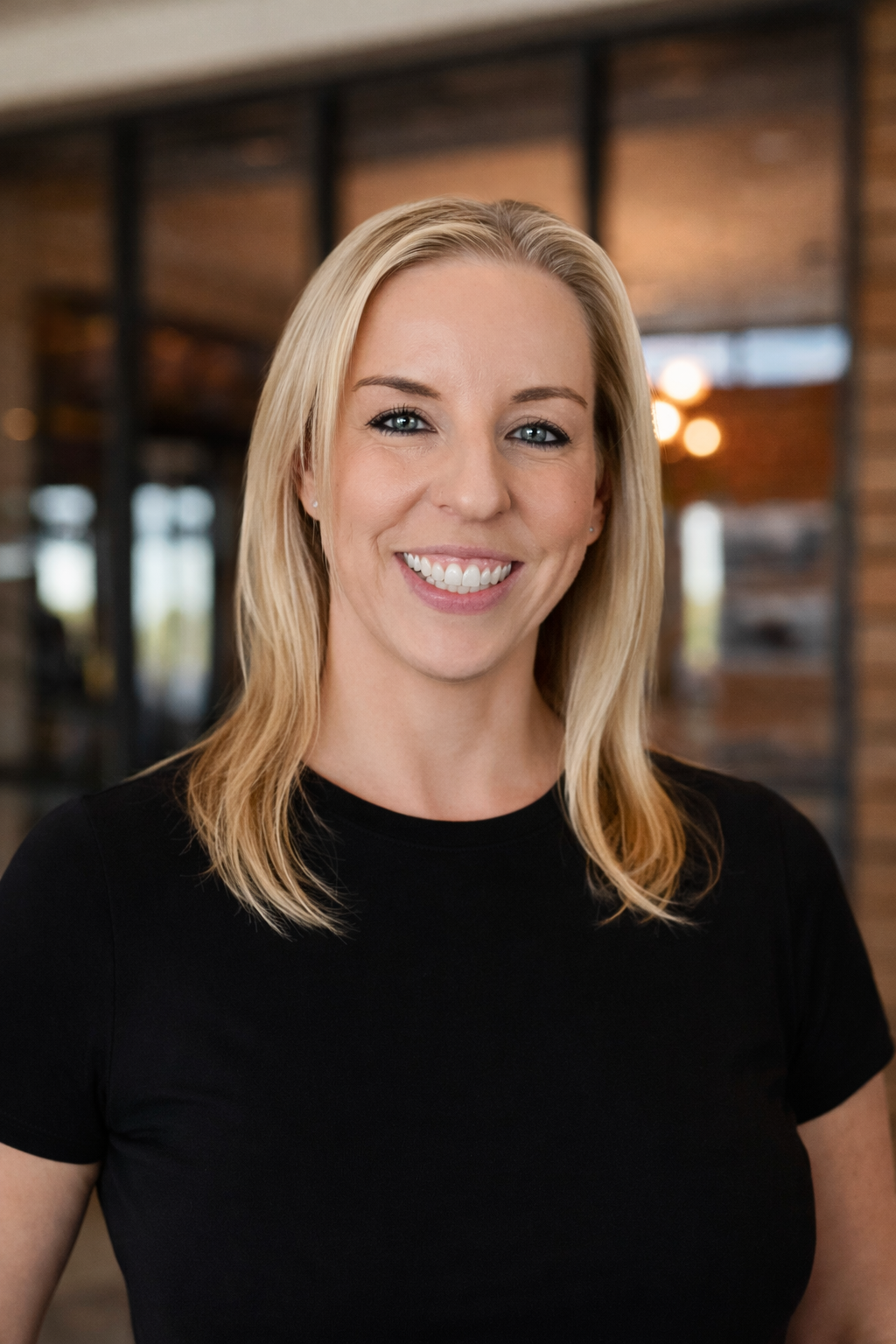
Founder · Edge Collective
I kept seeing the same thing happen — across every team, every company.
Everything still sounded on track. Updates were smooth. Dashboards said green. But launches were slipping. Leaders were re-reading the same update twice and still not sure what was true underneath it.
That's the pattern. And once you've seen it clearly enough, you stop looking for a process problem or a people problem. You start looking for the layer that's missing.
Edge Collective is what I built to install it.
Based in Park City — usually thinking about this on a ski lift or a trail.
Stop spending half the week double-checking and re-verifying. Leadership stops being the bottleneck.
Everyone from the boardroom to the IC knows what matters this week and why.
Leaders trust what they're seeing. Teams trust what they're building. Decisions stop taking a week.
Delivery stops being heroic. Work lands when it's supposed to. The roadmap becomes a forecast, not a fiction.
The system runs without constant intervention. Progress compounds instead of resetting every cycle.
The founder is back in control of how fast the company moves — without being in every decision.
Velocity is not the input. It's what becomes possible when a founder stops spending half of every week verifying what should already be visible.